

Laparoscopy
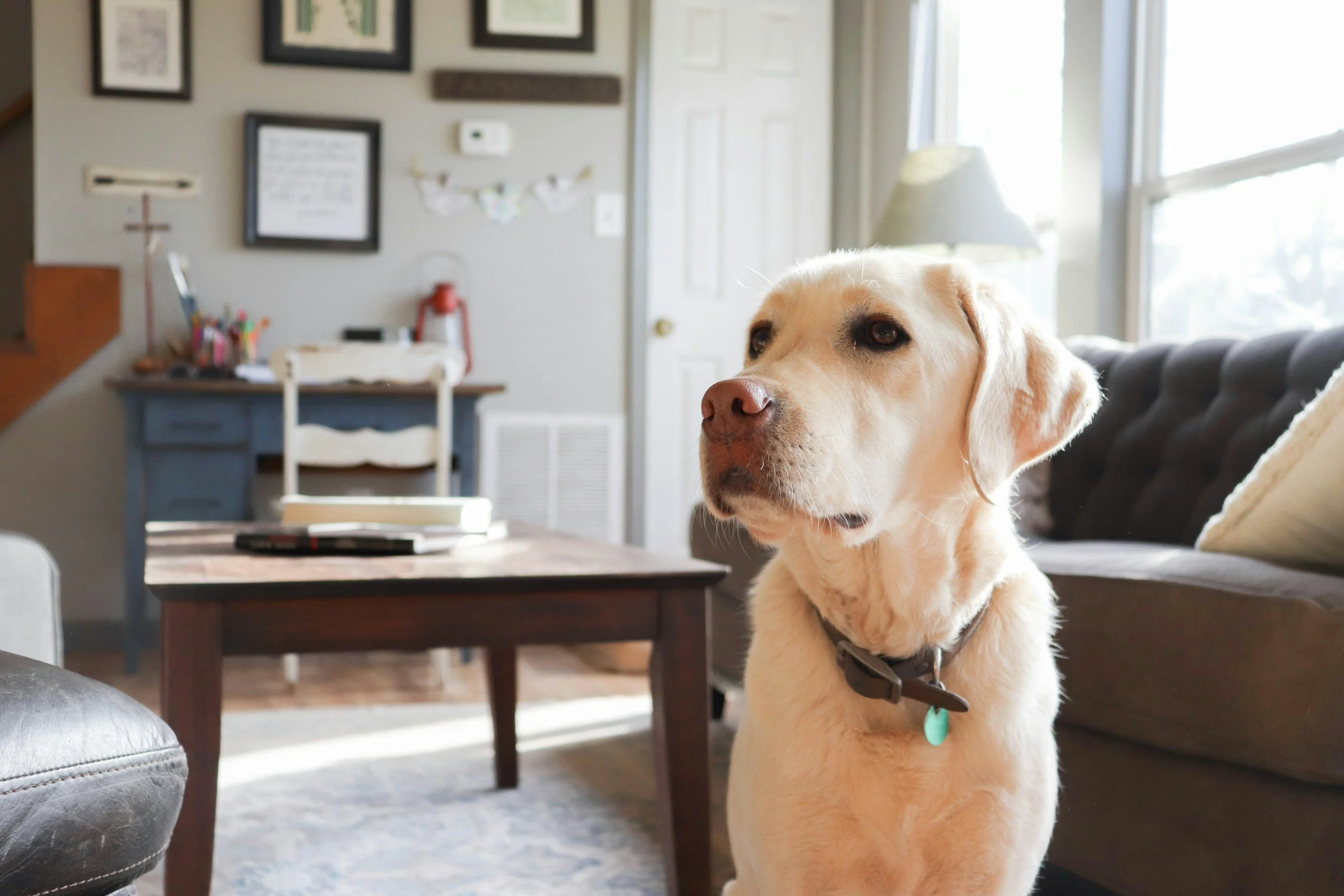
At Sevilla Veterinary Hospital, we offer advanced minimally invasive surgery through laparoscopy, combining precision, safety, and accelerated recovery for our patients. Laparoscopy allows us to perform procedures through tiny incisions using specialized cameras and instruments, significantly reducing pain, minimizing scarring, and speeding healing compared to traditional surgery. The future of veterinary medicine is here, bringing a level of care and innovation once reserved for humans directly to pets.
Under the guidance of Dr. Antonio Pedraza, a former instructor of laparoscopic procedures in Europe, our team provides expert laparoscopic services including laparoscopy spay, laparoscopy gastropexy, and laparoscopy cryptorchid neuter. To ensure patients receive the highest level of specialized surgical care, we have consolidated our advanced techniques into our dedicated facility at Los Angeles Laparoscopy Vet. Every procedure is performed with the highest standard of care, ensuring companion animals receive state-of-the-art treatment while maintaining their comfort and safety.
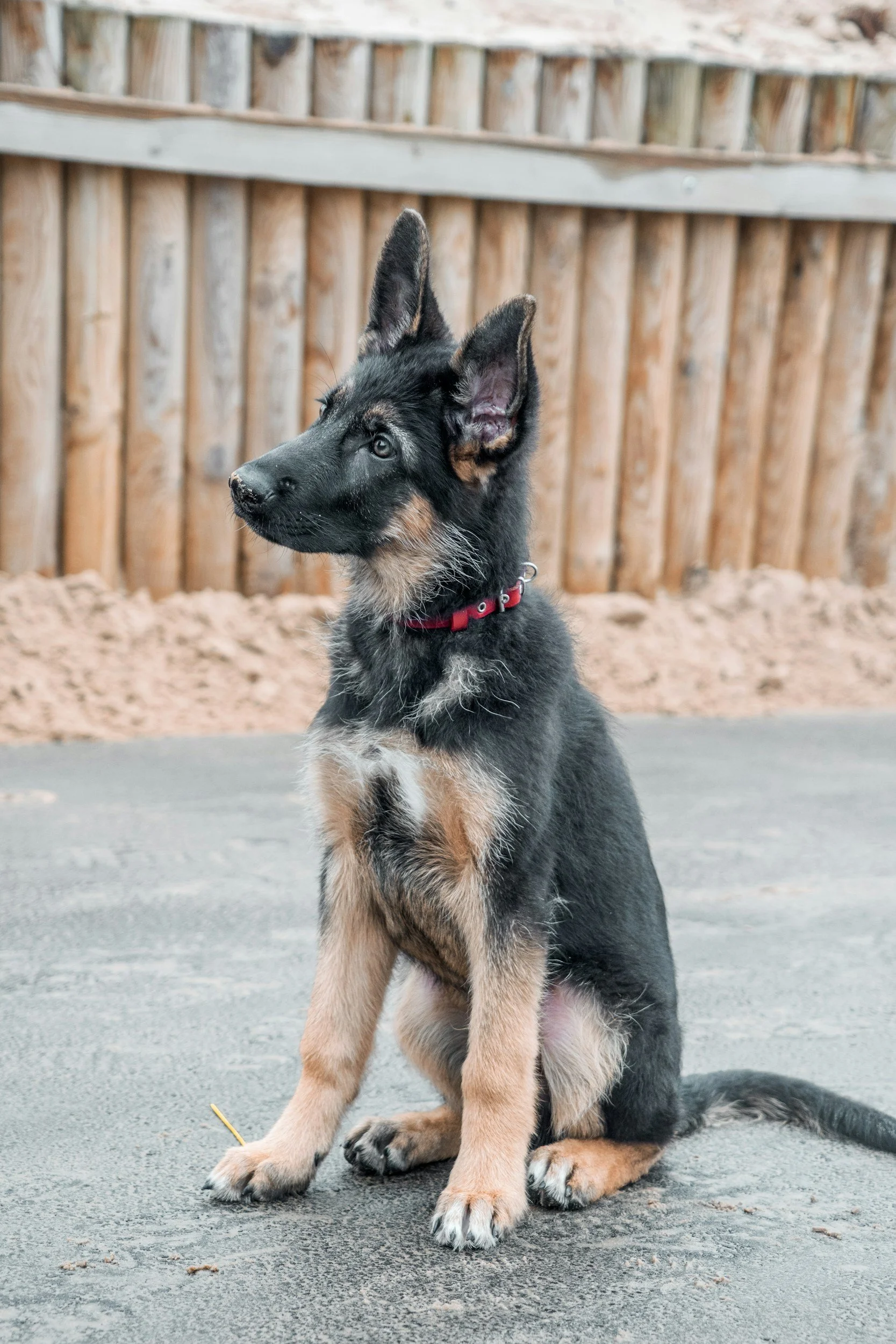
Laparoscopy Spay
A laparoscopic spay is a minimally invasive surgical procedure to remove a female pet’s ovaries (and sometimes the uterus) using tiny incisions and specialized instruments. Unlike traditional spays, laparoscopic spays use a small camera and instruments inserted through one or two tiny incisions, allowing the surgeon to see and operate with precision.
The benefits of a laparoscopic spay include:
Less pain and quicker recovery for your pet
Minimal scarring due to tiny incisions
Shorter anesthesia time and lower risk of complications
Faster return to normal activity
-
The laparoscopic spay process begins with an initial consultation, during which we discuss your pet’s health, timing, and any questions you may have. Because spaying is an elective procedure, we aim to perform it at the optimal time for your dog’s health and recovery. We usually recommend waiting until after the first heat cycle, typically 2 to 3 weeks after it has fully completed, to minimize risks and ensure the best outcome.
Before surgery, we perform a thorough physical exam and routine pre-anesthetic bloodwork to make sure your pet is healthy and ready for anesthesia. On the day of the procedure, your dog is carefully anesthetized and monitored throughout. Two small incisions are made in the abdomen, through which a tiny camera and specialized instruments are inserted. This allows the surgeon to view the ovaries and uterus with precision and remove them with minimal trauma. During the procedure, we also check the entire abdomen for any abnormalities, giving us a full 360-degree view of your pet’s internal organs to ensure nothing is overlooked.
-
After a laparoscopic spay, recovery is typically quick, usually just 5 to 7 days. We use intradermal sutures, so there is no need for suture removal, making the healing process easier for both you and your pet. To protect the incisions during recovery, we recommend an e-collar or a recovery bodysuit. It is important to keep the incision clean and monitor for any swelling or redness. We provide all necessary medications to ensure your pet is comfortable and heals smoothly, and our team is always available to answer questions or address any concerns during the recovery period.
-
Laparoscopic spay offers many benefits over a traditional spay, making it the preferred choice for pet owners who want the safest and most comfortable experience for their dog. The procedure uses one or two tiny incisions, each about the size of a dime, compared to the large abdominal incision required for a traditional spay. Because it is minimally invasive, your pet experiences less pain, minimal scarring, and a faster recovery, typically just 5 to 7 days, compared to 14 to 21 days for traditional spays.
Laparoscopic spay also allows the surgeon a magnified, 360-degree view of the abdomen, enabling precise removal of the ovaries and uterus and providing the opportunity to check for any abnormalities during surgery. The procedure requires less anesthesia than traditional spays, reducing overall risk and stress on your pet. Intradermal sutures mean no suture removal is needed, simplifying aftercare and helping your pet get back to normal activity more quickly.
In contrast, traditional spays involve a larger incision, longer anesthesia time, more tissue trauma, and longer healing periods. Pets often experience more discomfort, higher risk of complications, and a longer period of restricted activity. By choosing a laparoscopic spay, you are opting for a procedure that prioritizes safety, precision, and a smoother, more comfortable recovery for your dog.
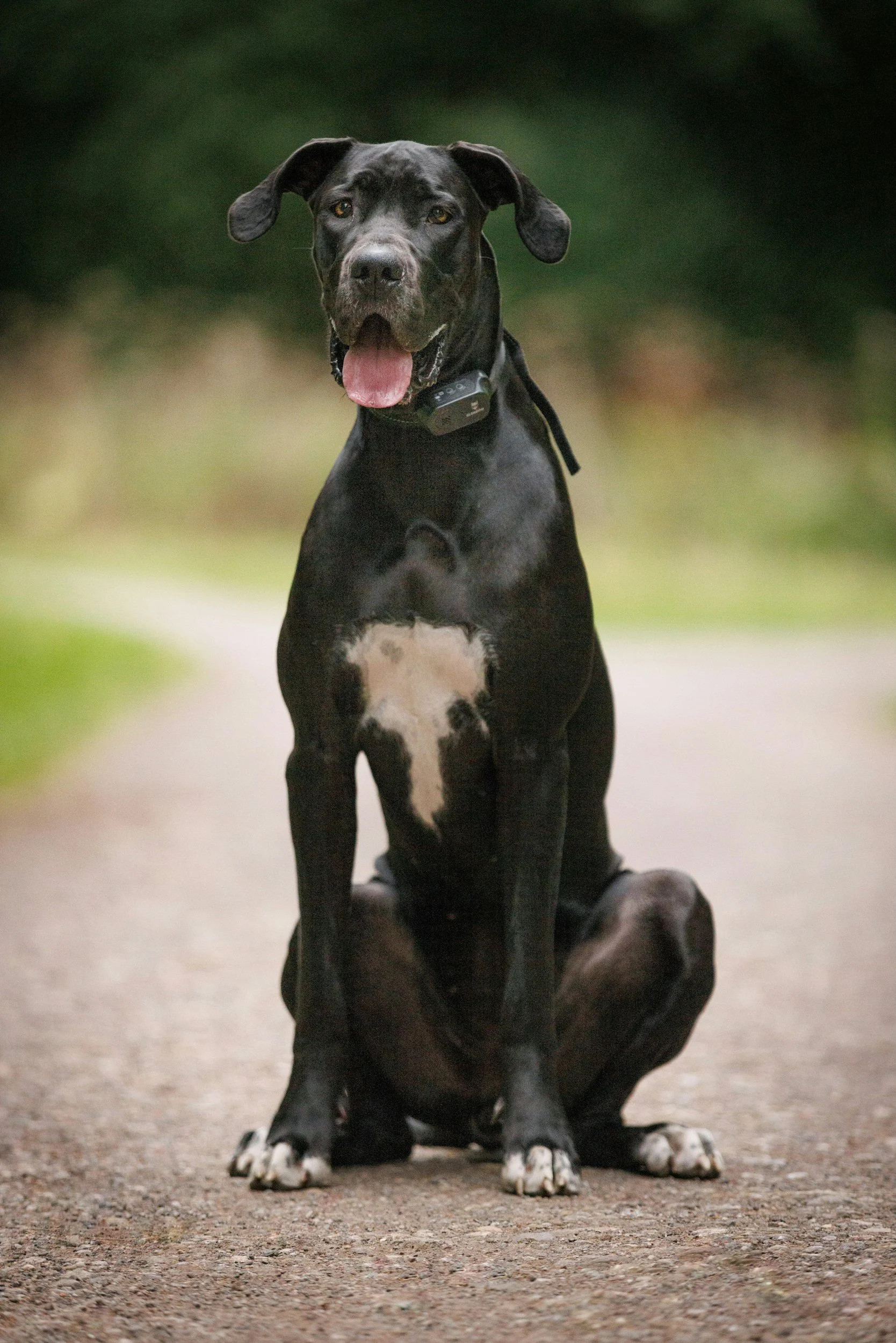
Laparoscopy Gastropexy
Laparoscopic gastropexy is a minimally invasive procedure designed to prevent gastric dilatation-volvulus (GDV), commonly known as bloat, in dogs at risk. This surgery creates a permanent attachment between the stomach and the body wall, reducing the chance of the stomach twisting. Without this preventive procedure, GDV can become a life-threatening emergency, especially in large, deep-chested breeds. Performing a gastropexy proactively can save your dog from a serious and often fatal situation.
The procedure uses small incisions, typically the size of a dime, which means less pain, minimal scarring, and a faster recovery compared to traditional open surgery. Anesthesia time is shorter, lowering overall surgical risk, and most dogs return to normal activity within a few days, rather than the two to three weeks often required for traditional surgery. The laparoscopic approach also provides a 360-degree view of the abdomen, allowing the surgeon to check for any abnormalities during the procedure.
An added benefit is that laparoscopic gastropexy can be performed at the same time as a spay or a cryptorchid neuter, making it convenient for pet owners and minimizing the number of times a dog needs anesthesia. By choosing laparoscopic gastropexy, you are giving your dog the best preventive care possible with a procedure that prioritizes safety, comfort, and rapid recovery.
-
The laparoscopic gastropexy process begins with an initial consultation, where we discuss your dog’s risk factors for bloat, overall health, and timing of the procedure. Before surgery, we perform a thorough physical exam and pre-anesthetic bloodwork to ensure your dog is healthy and ready for anesthesia. On the day of surgery, your dog is carefully anesthetized and monitored throughout. Two small incisions, each about the size of a dime, are made in the abdomen. A tiny camera is inserted through one incision, providing a magnified, 360-degree view of the abdominal organs. Specialized instruments are inserted through the other incision to create a permanent attachment between the stomach and the body wall, reducing the risk of gastric twisting.
During the procedure, Dr Pedraza also examines the entire abdomen for any abnormalities, giving a complete view of your dog’s internal organs. Because the procedure is minimally invasive, anesthesia time is shorter, tissue trauma is reduced, and recovery is faster than with traditional gastropexy.
-
After a laparoscopic gastropexy, your dog’s recovery is usually quick, but careful post-operative care is essential for the best outcome. The small incisions are closed with sutures that need to be removed in about 14 days. To support healing and reduce stress on the surgical site, we recommend feeding your dog smaller, more frequent meals rather than one or two large meals. Shorter meals help prevent stomach distention, reduce strain on the gastropexy site, and lower the risk of discomfort or complications during recovery.
Keeping your dog calm is also extremely important. Running, jumping, and rough play should be avoided for the first couple of weeks to allow the attachments to fully heal. We provide medications as needed to keep your dog comfortable, and our team is available to answer any questions or concerns during the recovery period. With careful attention, most dogs recover quickly and safely from this life-saving procedure.
-
Laparoscopic gastropexy offers significant advantages over traditional open gastropexy, making it the preferred choice for preventing bloat in at-risk dogs. The procedure uses one or two tiny incisions, each about the size of a dime, compared to the large abdominal incision required for traditional surgery. This minimally invasive approach means less pain, minimal scarring, and a faster recovery, typically just a few days, compared to 2 to 3 weeks for a traditional gastropexy.
Because the laparoscopic approach provides a magnified, 360-degree view of the abdomen, the surgeon can precisely attach the stomach and carefully examine all internal organs for any abnormalities. Anesthesia time is shorter, reducing risk, and intradermal sutures or small closures make aftercare easier and more comfortable for your dog. Laparoscopic gastropexy can also be performed at the same time as a spay or cryptorchid neuter, minimizing the number of times your dog needs anesthesia.
In contrast, traditional gastropexy requires a larger incision, longer anesthesia, more tissue trauma, and a longer recovery period. (Usually 3-4 weeks) Pets may experience more discomfort, higher risk of complications, and a longer period of restricted activity. By choosing laparoscopic gastropexy, you are opting for a safer, more precise procedure that prioritizes comfort, rapid recovery, and long-term protection against life-threatening bloat.
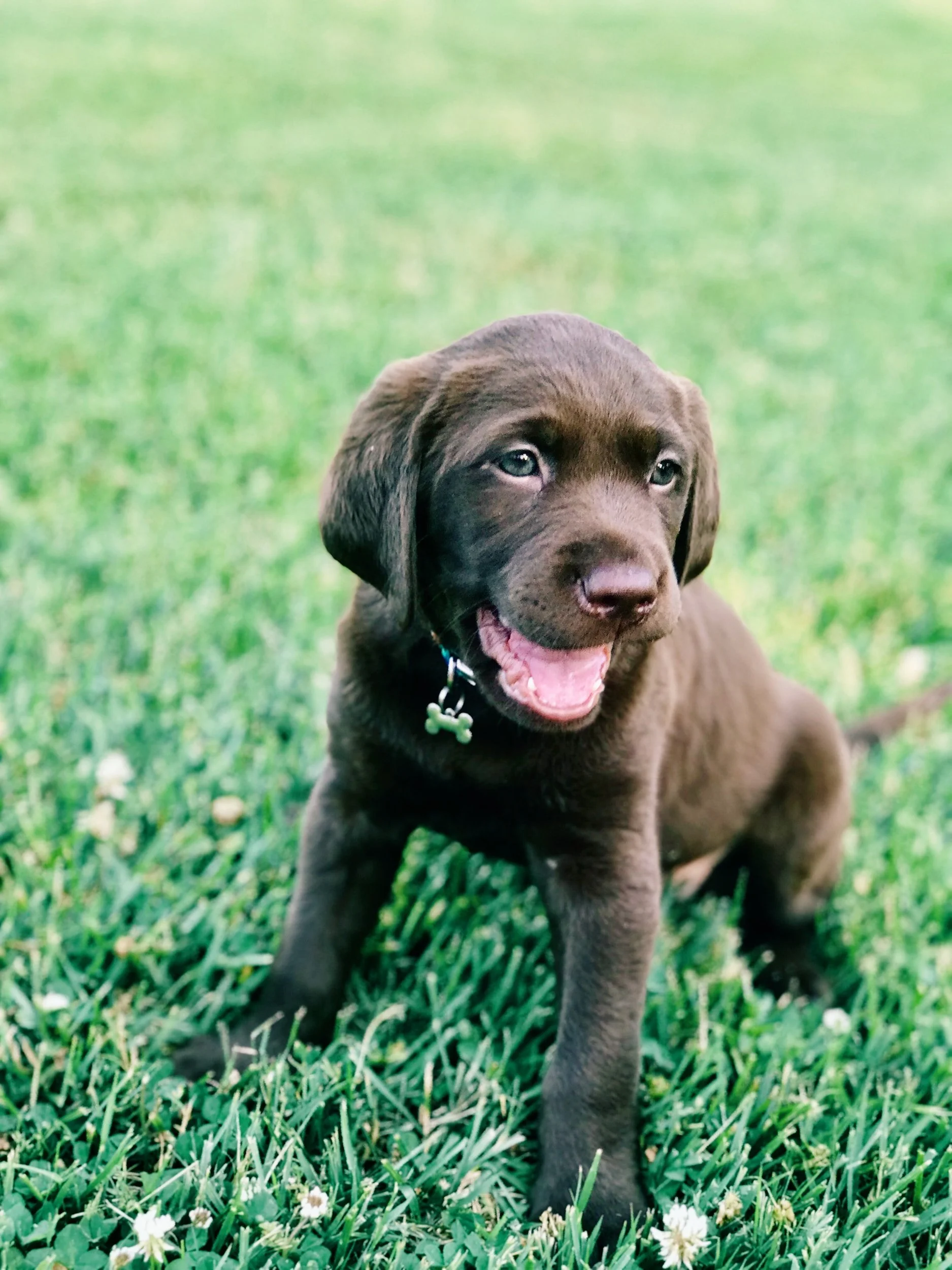
Laparoscopy Cryptorchid Neuter
Laparoscopic cryptorchid neuter is a minimally invasive surgical procedure to remove undescended testicles in male dogs. Cryptorchidism occurs when one or both testicles fail to descend into the scrotum, which can increase the risk of testicular tumors and hormonal issues if left untreated. At Sevilla Veterinary Hospital, we do not perform this procedure using traditional open surgery due to the increased tissue trauma and longer recovery it causes.
Using a laparoscopic approach, a small camera provides up to 10x magnification, giving an exceptionally detailed view of the abdomen. This allows Dr. Antonio Pedraza to locate the retained testicle(s) with precision, including in the areas where they are most commonly found within the abdominal cavity. Specialized instruments are inserted through tiny incisions, allowing the testicle(s) to be safely removed with minimal trauma. The minimally invasive technique results in smaller incisions, less pain, and a faster, smoother recovery compared to traditional surgery, while still ensuring a thorough and safe procedure.
-
The laparoscopic cryptorchid neuter process begins with an initial consultation to review your dog’s health, discuss timing, and explain the procedure. Pre-anesthetic bloodwork and a thorough physical exam are performed to ensure your dog is healthy and ready for anesthesia. On the day of surgery, your dog is carefully anesthetized and monitored throughout the procedure.
Two small incisions, each about the size of a dime, are made in the abdomen. A high-definition laparoscopic camera, which provides up to 10x magnification, is inserted through one incision, giving an exceptionally clear view of the abdominal cavity. This allows Dr. Antonio Pedraza to precisely locate the undescended testicle(s), including in the areas where they are most commonly found. Specialized instruments are inserted through the other incision to safely remove the retained testicle(s) with minimal tissue trauma.
During the procedure, the entire abdomen can be examined for any abnormalities, providing a complete 360-degree view. Once the testicle(s) are removed, the small incisions are closed with intradermal sutures or surgical glue, leaving minimal scarring. Because the procedure is minimally invasive, anesthesia time is shorter, recovery is faster, and most dogs return to normal activity within 5 to 7 days, making this a safe and comfortable alternative to traditional open surgery.
-
After a laparoscopic cryptorchid neuter, your dog’s recovery is typically quick, usually 5 to 7 days. The small incisions heal on their own, so no suture removal is needed. To protect the surgical sites and prevent your dog from licking or irritating the area, we recommend using a recovery bodysuit or an e-collar.
During recovery, it is important to keep your dog calm and limit activity. Running, jumping, and rough play should be avoided to allow the incisions to heal properly. We provide medications as needed to keep your dog comfortable, and it is important to monitor the incision for any redness, swelling, or discharge. With proper care, most dogs recover safely and return to normal activity quickly, benefiting from the precision and minimal trauma of the laparoscopic approach.
Laparoscopy Biopsy
At Sevilla Veterinary Hospital, we perform laparoscopic biopsies for dogs and cats, most commonly of the liver. This minimally invasive technique allows us to collect tissue samples through small incisions, reducing pain, bleeding, and recovery time compared to traditional surgery.
Laparoscopic biopsies are often recommended when a pet has unexplained liver, spleen, or other abdominal issues, or when there is a need to investigate inflammatory, infectious, or cancerous conditions. These biopsies provide accurate tissue samples that help guide treatment decisions and give a clearer picture of your pet’s health.
The benefits of laparoscopy include faster recovery, lower risk of complications, and precise visualization for safe and effective tissue collection.
-
Before the procedure, your pet will have a brief physical exam and blood work to ensure they are healthy enough for anesthesia. They are then placed under general anesthesia so they are completely comfortable and still during the surgery.
Once under anesthesia, the surgeon makes one or two small incisions in the abdomen. Through these tiny openings, a laparoscope—a small camera with a light—is inserted to give a clear view of the organs. Specialized instruments are then used to carefully collect small tissue samples from the liver or other organs as needed.
The incisions are closed with a few small sutures or surgical glue, and your pet is monitored closely as they wake up from anesthesia. Most pets recover quickly, often going home the same day, with minimal discomfort and few restrictions.
The collected tissue samples are then sent to a laboratory for analysis, providing valuable information to guide treatment decisions and ensure the best care for your pet. We work with your referring veterinarian to provide a diagnostic.
Laparoscopy Spay
This video provides an example of a laparoscopy spay, demonstrating the minimally invasive techniques used in this procedure. It may also be representative of other laparoscopic surgeries. Viewer discretion is advised due to surgical content.